Source adjustable architecture engineering drawing table for classrooms, universities, and studios
Find 30 adjustable architecture engineering drawing table options with modern ergonomic designs and customizable sizes. Buyers can compare features like height adjustment, wood materials, and warranty terms from verified suppliers in China.
Key considerations
Products List


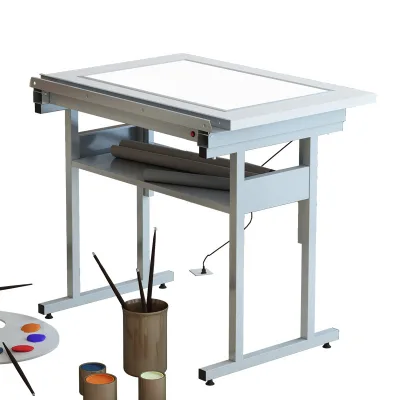
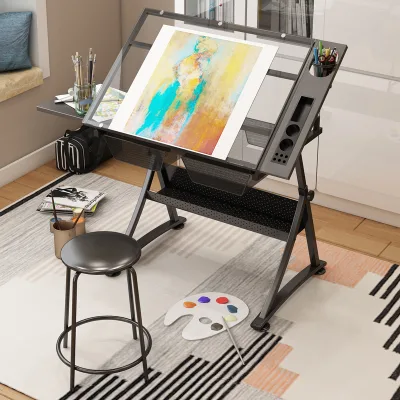


Comprehensive Sourcing Guide
Strategic Sourcing Guide for Adjustable Architecture Engineering Drawing Tables
Defining Technical Specifications and Functional Requirements
When sourcing an adjustable architecture engineering drawing table, the primary objective is to identify equipment that balances ergonomic adaptability with the structural rigidity required for precision drafting. The core keyword implies a need for furniture that supports complex technical work, often involving large-format media and specialized tools. Based on observed market data, these units frequently feature a "Modern Ergonomic Design" that prioritizes user comfort during extended periods of use. A critical technical attribute to verify is the height adjustability mechanism. While some models are described as having "Adjustable" height capabilities, buyers must distinguish between manual crank systems and pneumatic or electric lift mechanisms depending on the frequency of adjustment required in the workflow.
The structural composition of these tables is equally vital. Observed specifications indicate a prevalence of "Wood" as the primary material for the tabletop, often described specifically as "Solid Wood" or "Wooden" surfaces. This material choice offers a smooth, non-reflective finish ideal for pencil and ink work, though it requires specific maintenance protocols. The supporting frame is typically constructed from metal, with "Iron" or steel pedestals noted in several product profiles. To ensure longevity and resistance to corrosion in high-traffic environments like university studios or professional firms, the metal frame often undergoes a "Powder Coating" or "Chrome" finish. Buyers should verify that the "Metal Frame" specification aligns with the load-bearing requirements of heavy drafting equipment and large paper rolls.
The physical dimensions of the table are non-negotiable for architecture and engineering applications. Standardized sizes observed in the market include specific configurations such as 800500760mm or larger formats like 1206064-100 cm. For specialized drafting needs, dimensions such as 55" x 23.62" x 28"-35.8" (LxWxH) are common, providing ample surface area for A1 or A0 paper sizes. The "Table Surface Size" is often detailed with precise thickness, such as 0.7", to ensure stability against the weight of drawing instruments. Furthermore, the "Standard Exporting Carton" packaging suggests that these units are designed for international shipping, requiring careful handling to prevent damage to the "Wood Style" finish during transit.
Compliance, Certification, and Safety Standards
In the B2B procurement of furniture for educational and professional environments, compliance with international safety and environmental standards is a prerequisite. The supply chain for these adjustable tables often highlights adherence to "ISO" and "RoHS" certifications. These certifications are not merely marketing terms but indicate that the materials used, particularly the wood and metal components, meet specific restrictions on hazardous substances and adhere to international quality management systems. For institutions in Europe and North America, verifying that the "ISO RoHS" status is current and applicable to the specific batch of goods is essential to avoid regulatory hurdles at customs.
Beyond material safety, the physical safety of the user is paramount. The "Warranty" periods observed in the market range significantly, from 3-10 years to as high as 20 years. While a 20-year warranty suggests a high level of confidence in the product's durability, buyers must scrutinize the terms to understand what is covered, such as the frame, the tabletop, or the adjustment mechanisms. A longer warranty period often correlates with higher quality control in the manufacturing process, particularly regarding the "Powder Coating" on the metal frame and the structural integrity of the "Iron" pedestals.
Disassembly and reassembly capabilities are another critical compliance and logistical factor. Many models are listed with "Disassembly" or "Dismounting" capabilities, which is a significant advantage for logistics and facility management. This feature allows the furniture to be shipped in a flat-pack format, reducing shipping volume and costs, and facilitating easy relocation within a campus or office. The "Packing in Carton and Nylon Fabric" indicates that the manufacturer has considered protection during transit, but the buyer should verify that the disassembly process does not compromise the structural integrity of the "Modern Ergonomic Design" upon reassembly.
Cost Drivers and Pricing Dynamics
The pricing of adjustable architecture engineering drawing tables is influenced by a complex interplay of material costs, manufacturing complexity, and logistical factors. The observed price range in the market spans from approximately $12.32 to $194 USD. This wide variance suggests that the market includes both basic, entry-level units and high-end, fully customized models. The lower end of the spectrum may correspond to simpler designs with fewer adjustment features or smaller surface areas, while the higher end likely reflects tables with advanced ergonomic mechanisms, premium "Solid Wood" tops, and extended warranty periods.
Material selection is a primary cost driver. The use of "Solid Wood" versus engineered wood significantly impacts the final price. Similarly, the type of metal frame and the quality of the "Powder Coating" or "Chrome" finish contribute to cost variations. Customization is another major factor; the availability of "Customized Size/Color/Material" options allows buyers to tailor the product to specific architectural needs but typically incurs a premium. The "Customization" attribute is noted as "Available," meaning that buyers can request specific dimensions or finishes, but this should be factored into the budget and lead time calculations.
Logistics and payment terms also play a role in the total cost of ownership. The "Pay Terms" observed include "L/C, Fob, CIF, EXW, Dp," indicating that the financial structure of the deal can vary based on the buyer's location and risk tolerance. For international buyers, choosing between FOB (Free on Board) and CIF (Cost, Insurance, and Freight) will affect the final landed cost. Additionally, the "Main Market" for these products includes "American, Europe, MID-East," suggesting that pricing may be adjusted based on regional demand and shipping routes. Buyers should also consider the "MOQ" (Minimum Order Quantity), which ranges from 1 to 500 units. Smaller orders may carry a higher per-unit cost, while bulk purchases can leverage economies of scale to reduce the price per unit.
Typical Applications and Usage Scenarios
The versatility of adjustable architecture engineering drawing tables makes them suitable for a wide range of applications, from academic institutions to professional design firms. The "Usage" attribute explicitly lists "Primary/Secondary/High School/University," indicating that these tables are designed to accommodate students at various educational levels. In a university setting, the "Classroom" application is particularly relevant, where the "Modern Ergonomic Design" helps students maintain proper posture during long drafting sessions. The "Adjustable Height" feature is crucial here, allowing the table to be adapted to users of different statures, which is essential in a diverse student body.
For professional environments, the "Application" often extends to "School Secondary Student" levels and beyond, serving as a workstation for architects and engineers. The "Type" described as "Modern Ergonomic Design" suggests that these tables are intended to support the specific physical demands of drafting, such as leaning over large sheets of paper or using specialized tools. The "Advantage" of being "Easy Clean/Durable/Adjustable Height" makes them ideal for high-traffic areas where maintenance and longevity are critical. The "Foot Rest" and "Armor Edge" features, noted in some product highlights, further enhance the usability for professionals who spend hours at the desk.
The "Folded" and "Unfolded" states of the table also indicate flexibility in usage. While some models are designed to remain in a fixed position, others may offer folding capabilities for storage or space-saving purposes. This is particularly useful in shared studio spaces or temporary workstations. The "Auxiliary Tabletop" and "Pen Container" sizes suggest that these tables often come with integrated storage solutions, which are essential for keeping the workspace organized and efficient. The "Hook and Book Rack Acceptable" accessory options further enhance the functionality, allowing users to hang tools or store reference materials within easy reach.
Supplier Evaluation and Selection Criteria
Selecting the right supplier for adjustable architecture engineering drawing tables requires a rigorous evaluation process that goes beyond price comparisons. The "Location" of the supplier is a key factor, with observed origins including "Guangzhou, Guangdong, China" and "Zhejiang, China." These regions are known for their manufacturing capabilities, but buyers should verify the specific factory's capacity to meet their quality standards. The "Delivery" lead time, observed as "15-30 Days," is a critical metric for planning procurement cycles. Buyers must ensure that the supplier can consistently meet these timelines, especially for large orders or customized requests.
Quality control is another essential criterion. The "Warranty" period, ranging from 3-10 years to 20 years, serves as a proxy for the supplier's confidence in their product. A longer warranty often indicates a more robust quality control process and a commitment to after-sales support. Buyers should also examine the "Production" capabilities, specifically the ability to offer "Customized Size/Color/Material" options. This flexibility is a strong indicator of a supplier's adaptability and technical expertise. Additionally, the "Packing" standards, such as "Standard Exporting Carton with Safe Protection," demonstrate the supplier's attention to detail in ensuring that products arrive in pristine condition.
The "Main Market" served by the supplier is also a useful indicator of their experience and reliability. Suppliers targeting "American, Europe, MID-East" markets are likely to be more familiar with international standards and compliance requirements. This experience can be beneficial for buyers looking to import these tables into similar regions. Furthermore, the "Pay Terms" offered, such as "L/C, Fob, CIF, EXW, Dp," provide insight into the supplier's financial stability and willingness to accommodate different payment structures. Buyers should prioritize suppliers who offer transparent and flexible payment terms that align with their own financial policies.
Quality Control and Long-Term Procurement Considerations
Ensuring the long-term value of adjustable architecture engineering drawing tables requires a proactive approach to quality control and maintenance. The "Condition" of the product is listed as "New," which is the expected standard for new procurement, but buyers should verify that the "New" condition includes all necessary components and accessories. The "Disassembly" and "Dismounting" capabilities are not just logistical features but also quality indicators. A well-designed table should be easy to disassemble and reassemble without compromising its structural integrity, ensuring that it can be moved or repaired as needed.
Maintenance is a key consideration for the longevity of these tables. The "Wood" tabletop requires specific care to prevent warping or damage from moisture and heavy use. Buyers should inquire about recommended cleaning protocols and whether the "Easy Clean" advantage is supported by specific finishing treatments. The "Metal Frame" with "Powder Coating" or "Chrome" finish also requires regular inspection to ensure that the coating remains intact and that there is no rust or corrosion. The "Warranty" period, whether 3-10 years or 20 years, should be reviewed to understand the scope of coverage for wear and tear.
Long-term procurement considerations also include the scalability of the purchase. The "MOQ" range of 1-500 units allows for flexibility in ordering, but buyers should plan for future growth. If the institution or company plans to expand its drafting facilities, the ability to order additional units with consistent specifications is crucial. The "Customization" options should be evaluated for their long-term viability, ensuring that the customized features remain compatible with future equipment or design standards. Finally, the "Lead Time" of 15-30 days should be factored into the procurement schedule to avoid delays in project timelines.
Comparative Analysis of Key Product Attributes
To facilitate informed decision-making, the following table summarizes the key attributes observed in the market for adjustable architecture engineering drawing tables. This comparison highlights the variations in specifications, materials, and features that buyers should consider when evaluating potential suppliers.
| Attribute Category | Observed Specification | Variance Range | Key Consideration |
|---|---|---|---|
| Material | Wood, Solid Wood, Wooden | Solid vs. Engineered | Durability and finish quality |
| Frame Material | Iron, Metal Frame | Powder Coating/Chrome | Corrosion resistance and load bearing |
| Adjustability | Height Adjustable, Fixed | Manual vs. Mechanism | Ergonomic support and ease of use |
| Dimensions | 800500760mm to 12060100cm | Surface Area and Height | Compatibility with paper sizes |
| Warranty | 3-10 Years, 20 Years | Coverage Scope | Long-term reliability and support |
| Certification | ISO, RoHS | Compliance Standards | Safety and environmental compliance |
| Customization | Available | Size, Color, Material | Tailoring to specific needs |
| Origin | Guangzhou, Zhejiang | Manufacturing Hub | Logistics and lead time |
This comparative analysis underscores the importance of aligning product specifications with the specific needs of the procurement project. By carefully evaluating these attributes, buyers can select an adjustable architecture engineering drawing table that offers the best balance of functionality, durability, and value.
FAQs
What certifications do these tables meet?
These tables meet ISO and RoHS certifications. This ensures materials comply with international safety standards and restrictions on hazardous substances for use in schools and offices.
How long is the delivery lead time?
The standard delivery lead time is 15 to 30 days. This duration applies to orders placed with suppliers located in Guangzhou or Zhejiang, China, for international shipping.
Can the table height be adjusted?
Yes, the table height is adjustable to accommodate different users. This feature supports ergonomic design for students and professionals working in classrooms or university studios.
What materials are used for the frame?
The frame is constructed from iron with a powder coating or chrome finish. This metal construction provides durability and resistance to corrosion in high-traffic educational environments.
Are custom sizes and colors available?
Customized size, color, and material options are available for these tables. Buyers can request specific dimensions like 120*60*64 cm to fit unique architectural or engineering workspace needs.
What is the warranty period for the product?
Warranty periods range from 3 to 10 years, with some models offering up to 20 years. This coverage typically includes the metal frame and structural integrity against normal wear.